
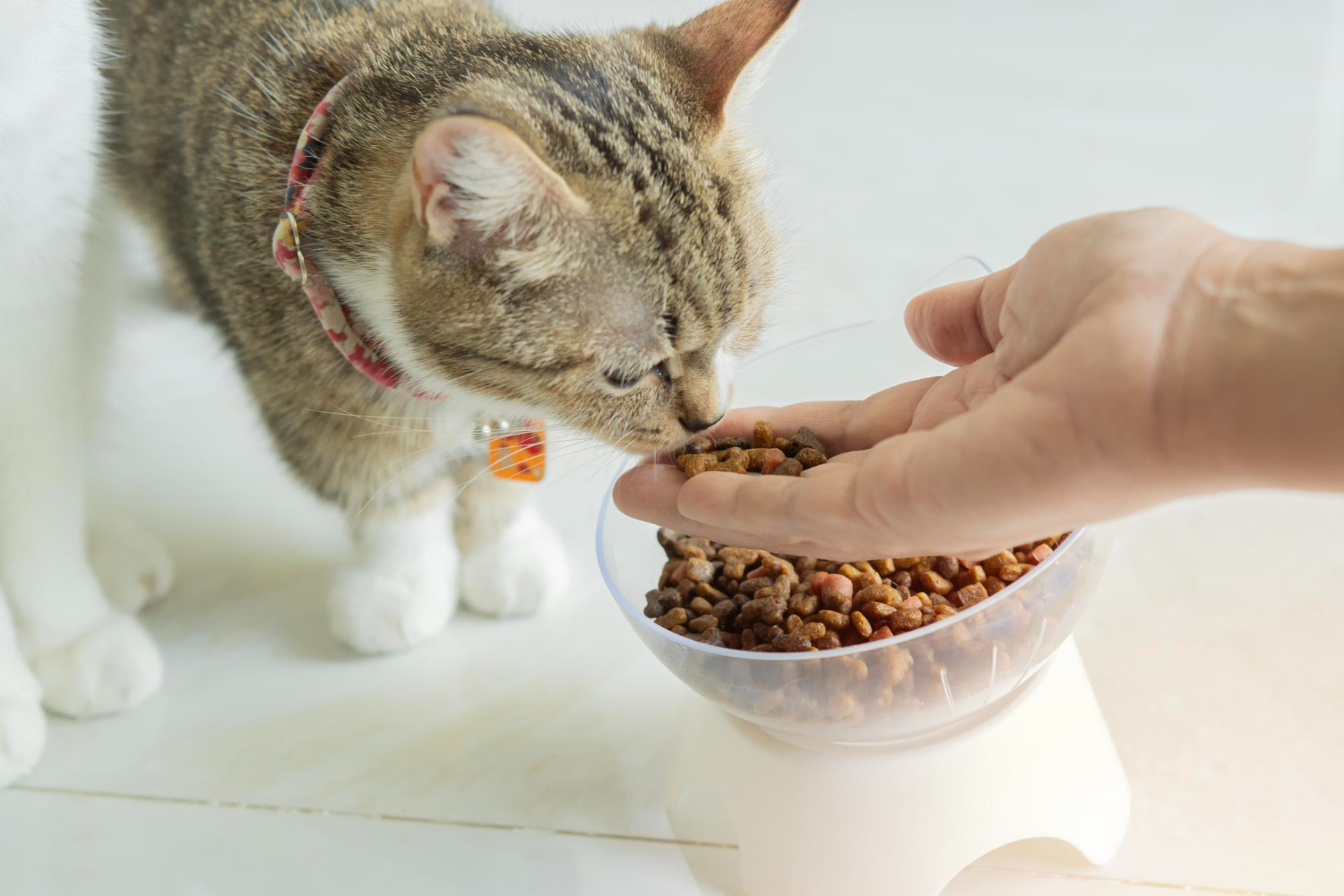
As cats age, their nutritional needs change. Senior cats require a diet that supports their ageing bodies while also being gentle on their sensitive stomachs. Feeding them the right food is crucial to ensure they remain healthy and happy in their golden years.
Sensitive stomachs in senior cats can cause various issues like vomiting, diarrhoea, and a lack of appetite. These problems not only affect their health but can also lead to stress and discomfort. Therefore, understanding the specific dietary needs of senior cats and choosing the right food is essential.
Easterbrooks Cat Food, specially formulated for senior cats, provides the nutrients they need while being easy to digest. This makes it an excellent choice for cats with sensitive stomachs. We will explore the key nutritional needs of senior cats, common causes of sensitive stomachs, the benefits of Easterbrooks Cat Food, and tips for introducing new food to senior cats. Adjusting your cat’s diet can significantly improve their quality of life, making them more comfortable and content.
Key Nutritional Needs of Senior Cats
Senior cats have unique nutritional needs that differ from those of younger cats. Understanding these needs is essential for maintaining their health and well-being.
1. High-Quality Protein
As cats age, they need more easily digestible protein sources to maintain muscle mass. Senior cats tend to lose muscle mass, so it’s crucial to provide them with diets rich in high-quality animal proteins. Chicken, salmon, and other fish are excellent options.
2. Healthy Fats
Older cats benefit from diets that include healthy fats like Omega-3 and Omega-6 fatty acids. These fats support joint health, reduce inflammation, and contribute to a shiny coat and healthy skin.
3. Fibre
A diet high in fibre helps with digestive health in senior cats. Fibre can prevent constipation, which is a common issue in older cats. Ingredients like pumpkin or psyllium husk can be very beneficial.
4. Vitamins and Minerals
Senior cats need more vitamins such as Vitamin E, B vitamins, and essential minerals like Zinc and Selenium. These nutrients support the immune system, ensure good skin and coat condition, and maintain overall health.
5. Hydration
Older cats are prone to dehydration, so it’s vital to ensure they have access to fresh water at all times. Wet food can also help keep them hydrated and support kidney health.
Common Causes of Sensitive Stomachs in Senior Cats
Sensitive stomachs can be quite common in senior cats. There are several reasons why older cats might develop these issues.
1. Food Intolerances
As cats age, their tolerance to certain ingredients can change. Some senior cats might develop sensitivities to specific proteins or grains. Identifying and avoiding these triggers can help alleviate symptoms.
2. Lower Digestive Efficiency
Older cats often have less efficient digestive systems. This means they might struggle to process certain foods, leading to upset stomachs and gastrointestinal discomfort. Senior-specific diets are designed to be easier to digest.
3. Health Conditions
Underlying health conditions such as kidney disease, liver problems, or dental issues can affect digestion in older cats. Regular vet check-ups are essential to diagnose and manage these conditions.
4. Stress
Changes in environment, routine, or health can stress senior cats. Stress can manifest in gastrointestinal symptoms, including vomiting or diarrhoea. Creating a calm, stable environment can help reduce these issues.
5. Lack of Fibre
A diet low in fibre can cause digestive problems like constipation. Ensuring your senior cat’s diet includes appropriate fibre levels can aid in smoother digestion and bowel movements.
Identifying the cause of a sensitive stomach in your senior cat can significantly improve their quality of life through targeted dietary adjustments.
Benefits of Easterbrooks Cat Food for Older Cats
Easterbrooks Cat Food is specially formulated to meet the nutritional needs of senior cats with sensitive stomachs. Here are the key benefits:
1. Gentle Digestion
Easterbrooks Cat Food uses easily digestible proteins like chicken and salmon. These proteins are gentle on the stomach, helping to reduce digestive upset and promote smooth digestion.
2. Natural Ingredients
The formula includes natural ingredients without artificial additives or fillers. This minimises the risk of allergic reactions or sensitivities, offering a safer choice for older cats.
3. Added Fibre
Fibre is included to support digestive health. Ingredients like beet pulp help improve bowel regularity, reducing constipation and other gastrointestinal issues common in senior cats.
4. Essential Nutrients
Easterbrooks provides a balanced mix of vitamins and minerals specifically for older cats. These nutrients support overall health, from strong bones to a shiny coat, ensuring that your senior cat remains in top condition.
5. Joint Support
The food includes glucosamine and chondroitin, which are essential for maintaining joint health in older cats. This helps keep them active and reduces discomfort from arthritis or joint stiffness.
Tips for Introducing New Food to Senior Cats
Transitioning to a new diet can be tricky, especially for older cats with sensitive stomachs. Follow these tips for a smooth change:
1. Slow Transition
Gradually introduce the new food by mixing a small amount with your cat’s current food. Start with 25% new food and 75% old food, and slowly increase the new food over 7-10 days.
2. Monitor Reactions
Watch your cat closely for any adverse reactions. Look out for symptoms like vomiting, diarrhoea, or changes in appetite. If these occur, slow down the transition process and consult your vet or local food expert if needed.
3. Consistent Feeding Times
Stick to regular feeding times to help your cat adjust to the new food. Consistency in their routine can make the transition less stressful.
4. Fresh Water
Ensure your cat has access to fresh water at all times. Hydration is crucial, especially when changing diets, as it helps with digestion and nutrient absorption.
5. Patience and Encouragement
Some cats are fussy eaters and may resist new food. Be patient and encourage them by mixing in a small amount of their favourite treat or wet food. This can make the new diet more appealing.
Conclusion
Feeding your senior cat the right diet is crucial for their health and happiness. Recognising their unique nutritional needs and understanding the common causes of sensitive stomachs can help you make better food choices. Easterbrooks Cat Food offers a balanced, gentle, and nutritious option that caters specifically to older cats with digestive sensitivities.
By gradually introducing new food and monitoring their reactions, you can ensure a smooth transition to a healthier diet. Your senior cat will benefit greatly from the improved nutrition, leading to better health and greater comfort.
Ready to make the switch and see the benefits for your senior cat? Check The Pet Experience and explore our range of Easterbrooks Cat Food, the best senior cat food in the UK. Give your feline friend the nutrition they deserve and see a happier, healthier cat today!


