

Food sensitivities and allergies are increasingly recognised in cats, leaving many owners searching for gentle, effective nutrition solutions. One option frequently recommended by vets and pet food experts is cat food with hydrolysed protein. But what does that actually mean, and is it right for your cat?
This in‑depth guide explains how hydrolysed protein cat food works, why they are used, and which cats benefit most—helping you make an informed feeding choice with confidence.
What Is Cat Food with Hydrolysed Protein?
Cat food with hydrolysed protein is a specially formulated diet in which the protein has been broken down into much smaller components. Through a process called hydrolysis, whole proteins are split into tiny peptides and amino acids.

Why does this matter? In many cats with food allergies or intolerances, the immune system reacts to intact proteins. By reducing the protein to fragments that are too small to be recognised, cat food with hydrolysed protein helps prevent immune reactions while still providing complete nutrition. However, it is worth noting that not all hydrolysed diets are suitable for long term use. If in doubt, seek professional advice.
Hydrolysed cat food is commonly used as part of a veterinary dietary plan, particularly in cases of suspected food allergies or digestive disorders.
How Does Hydrolysed Protein Cat Food Work?
The science behind it is surprisingly straightforward:
- Proteins are enzymatically broken down during manufacturing
- The resulting particles are too small to trigger an allergic response
- The digestive system processes the food more easily
- Nutrients are absorbed efficiently without irritation
Essentially, the food is “pre‑digested”, making it gentler on sensitive stomachs while still meeting your cat’s nutritional needs.
Why Would a Cat Need Hydrolysed Protein?
Not every cat requires a hydrolysed protein diet, but for some, it can be life‑changing. Cat food with hydrolysed protein is often recommended for cats experiencing:
1. Food Allergies
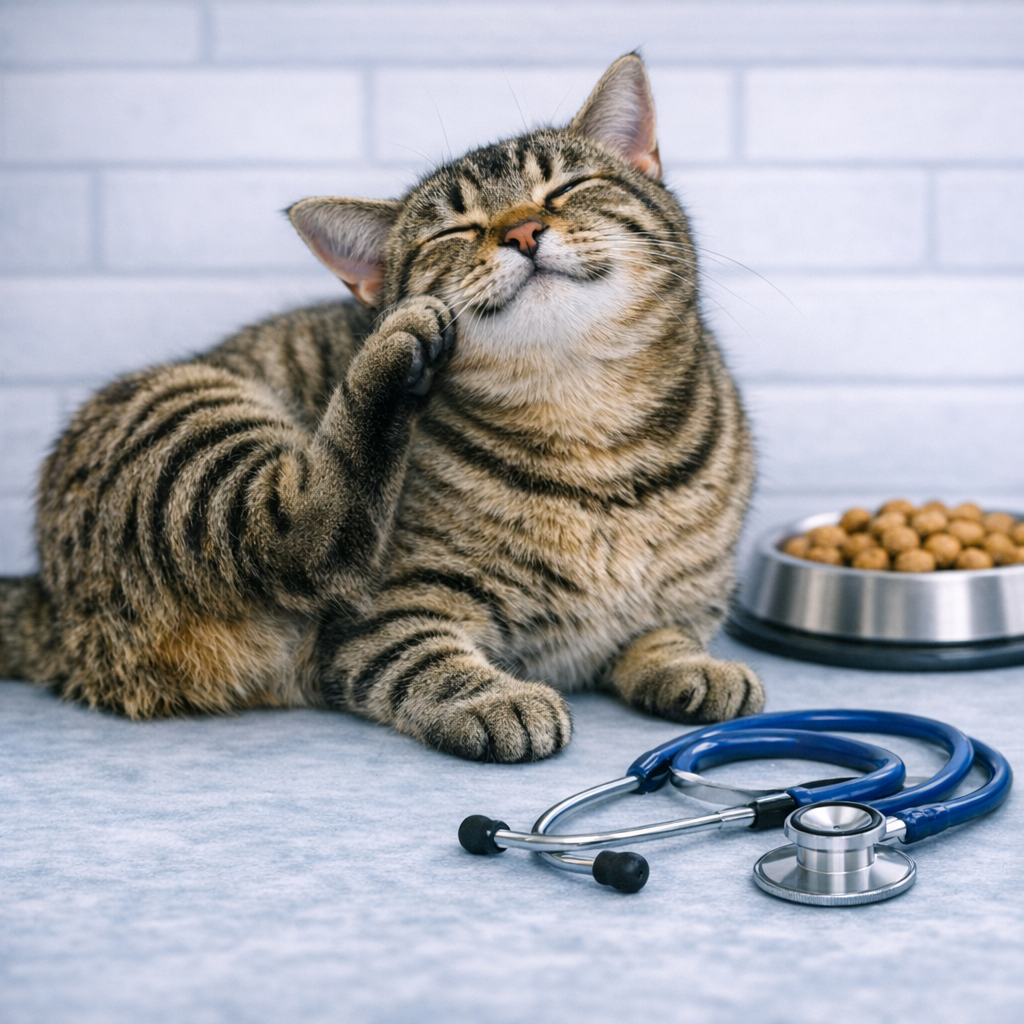
Food allergies in cats often present as:
- Persistent itching (especially around the head and neck)
- Skin inflammation or hair loss
- Chronic ear problems
Because proteins are the most common dietary allergens, switching to hydrolysed protein can reduce or eliminate symptoms.
2. Digestive Sensitivities
Cats with frequent vomiting, diarrhoea, or excessive gas may struggle to break down standard proteins. The smaller protein fragments in hydrolysed cat food are much easier to digest, reducing gastrointestinal stress.
3. Inflammatory Bowel Disease (IBD)
Many cats with IBD have an abnormal immune reaction to food. Hydrolysed protein diets are often used to calm inflammation and improve stool quality as part of a long‑term management plan.
Is Cat Food with Hydrolysed Protein Nutritionally Complete?
Yes. And no. It depends on the brand. It is best to seek professional advice from either your Vet or local pet food expert before feeding a hydrolysed diet.
Despite common misconceptions, breaking proteins down does not reduce their nutritional value. These diets still contain:
- Essential amino acids
- Vitamins and minerals
- Fatty acids for skin and coat health
- Adequate calories for energy and maintenance
Most reputable hydrolysed diets are designed to meet recognised nutritional standards, ensuring your cat does not miss out on vital nutrients.
Will My Cat Like the Taste?
This is a common concern. Some owners worry that cat food with hydrolysed protein may be less palatable due to its medical reputation.
In reality, many cats adapt well—especially if digestion improves and discomfort disappears. Appetite often increases once food‑related irritation is removed. A gradual transition from the previous diet can also help improve acceptance.
Furthermore, hydrolysing actually increases the palatability and aroma of the food for your cat. So even the fussiest feline should be tempted by a bowlful!
Is Hydrolysed Protein Cat Food the Same as Grain-Free or Novel Protein Diets?
No—while they are sometimes confused, these diets serve different purposes.
- Grain‑free diets remove cereals but still contain intact proteins
- Novel protein diets use less common proteins like duck or venison
- Cat food with hydrolysed protein alters the protein structure itself
Hydrolysed protein diets are specifically designed to avoid immune recognition, making them more suitable for confirmed or suspected food allergies.
How Long Does It Take to See Results?
When feeding cat food with hydrolysed protein, improvements are typically gradual.
- Digestive symptoms may improve within 1–2 weeks
- Skin and coat improvements can take 6–8 weeks
- Full allergy elimination trials often require 8–12 weeks
Consistency is essential. Feeding anything outside the diet—including treats—can interfere with results and slow progress.
Do You Need a Vet’s Advice?
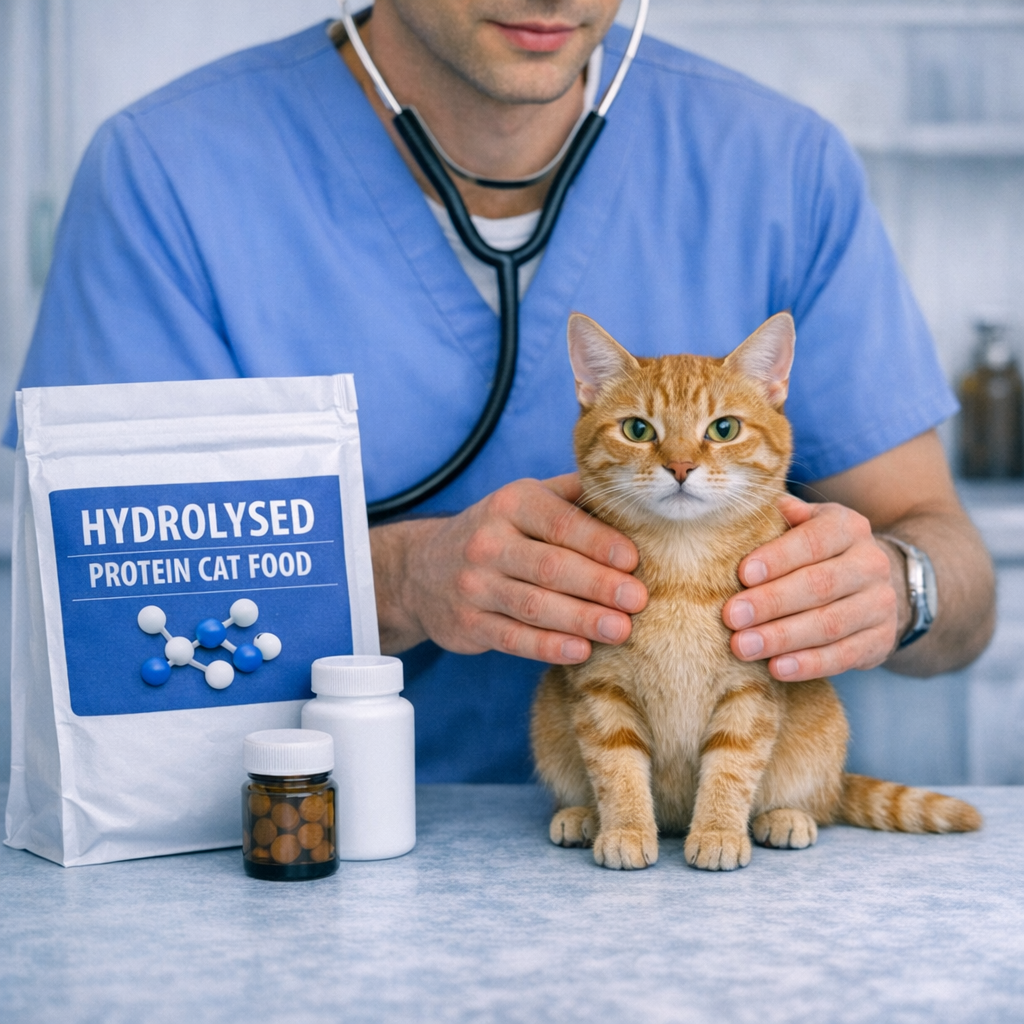
In many cases, yes. Hydrolysed protein diets are frequently part of a veterinary diagnostic or treatment plan. A vet can help determine whether:
- Food is the true cause of symptoms
- A hydrolysed protein diet is appropriate
- Long‑term feeding is necessary
While some non‑prescription options exist, professional guidance from your Vet or local pet food expert ensures your cat’s health needs are correctly addressed.
Potential Downsides to Consider
Although beneficial for many cats, hydrolysed protein cat food may not be ideal for every situation:
- It can be more expensive than standard diets
- It may not be necessary for healthy cats without sensitivities
- Over‑restrictive feeding isn’t medically beneficial if no allergy exists
That’s why careful assessment and professional input are important before making a permanent change.
Choosing the Right Cat Food with Hydrolysed Protein
When selecting a diet, look for:
- Clear labelling stating “hydrolysed protein”
- Complete and balanced nutritional claims
- A reputable manufacturer
- Veterinary endorsement
Avoid mixing with other foods unless advised, as this can compromise the benefit of hydrolysis.
Final Thoughts: Is Cat Food with Hydrolysed Protein Worth It?
For cats with food allergies, digestive problems, or chronic skin conditions, cat food with hydrolysed protein can make a remarkable difference in comfort, health, and quality of life.
While it’s not a universal solution for all cats, it remains one of the most effective nutritional tools for managing food‑related sensitivities. With the right guidance and consistent feeding, hydrolysed protein diets offer a safe, science‑based approach to nourishing sensitive felines.
Shop our range of Hydrolysed cat food and find the best option for your cat!


